Western Canada has always been associated with energy. But while Calgary is considered the industry’s financial and corporate hub, Edmonton is its practical heart. It is here that energy concepts turn into real engineering solutions, and heavy industry meets cutting-edge technology.
The energy sector and related engineering industries remain the primary employment drivers in Alberta’s capital. For local professionals, it provides economic stability, while for newcomers, it serves as one of the most reliable platforms for building a successful life from scratch.
How is this market structured, which specialties are in highest demand, and what does it take to kickstart a successful career? edmonton1.one dives into the details below.
Why Edmonton’s Energy Sector Is About More Than Just Oil
The stereotype that Alberta’s energy sector is limited to rigs and crude oil is long outdated. Today, Edmonton is the region’s intellectual and logistical powerhouse: this is where engineering solutions are designed, raw materials are processed, and complex transportation networks are managed.
Alongside traditional oil and gas, several new sectors are rapidly booming:
- Liquefied natural gas (LNG) and pipelines: Infrastructure is constantly being modernized to meet new environmental and technical standards;
- Hydrogen boom: Edmonton is actively aiming to become North America’s premier hydrogen hub;
- Carbon Capture and Storage (CCS): Technologies designed to reduce emissions and make production cleaner;
- Green energy and biofuels: Solar and wind projects continue to capture an increasing market share.
Labor market analysts agree on one thing: tens of thousands of new workers will be needed here over the coming decades. There are two main drivers: global demand for energy isn’t going anywhere, and an experienced generation of specialists is retiring en masse. Factor in salaries that consistently stay above the Canadian national average, and you get one of the most promising career paths for years to come.
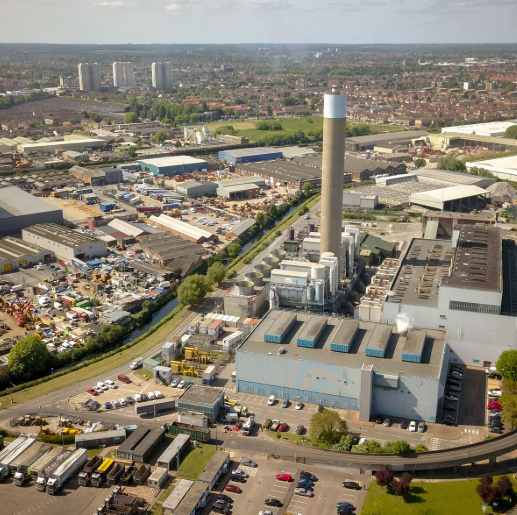
Most In-Demand Specialties in Edmonton’s Energy Sector
The energy industry is a massive ecosystem offering opportunities for a wide range of talent. Job seekers in Edmonton and the surrounding industrial region—Alberta’s Industrial Heartland—should start by exploring the career portals of key local players: major operators and producers like Enbridge, Suncor Energy, Imperial Oil, and TC Energy; engineering and consulting leaders such as Stantec, Worley, and Fluor; as well as top service and technology providers like Baker Hughes, Halliburton, and SLB (Schlumberger).
| Field / Area | Specialty / Role | Key Responsibilities & Scope | Requirements & Key Skills |
| 1. Engineering & Technology | Process & Chemical Engineers | Designing, optimizing, and ensuring safe operation of refineries, hydrogen facilities, and chemical plants. | Higher engineering degree, process engineering knowledge, APEGA status or eligibility. |
| Asset Integrity Engineers | Monitoring infrastructure wear and tear, detecting corrosion, evaluating risks, and preventing failures/accidents. | Background in materials science, non-destructive testing (NDT) methods, risk assessment. | |
| Environmental Specialists | Emissions monitoring, minimizing environmental impact of operations, land and water reclamation. | Knowledge of Alberta environmental regulations, experience conducting environmental audits. | |
| 2. Skilled Trades | Power Engineers | Operating boilers, turbines, compressors, and complex industrial energy systems. | ABSA certification (Classes 5 to 1), strong commitment to safety standards. |
| Pressure Welders | Welding complex pipelines, vessels, and structures operating under critical pressure. | Journeyman Welder certification + specialized pressure ratings (B-Pressure endorsement). | |
| Pipefitters & Industrial Electricians | Installing, maintaining, and repairing high-voltage equipment, power grids, and industrial piping. | Completion of Red Seal / Journeyman program, deep understanding of industrial safety codes. | |
| 3. Digital & Analytical Roles | Instrumentation & Control (PLC/SCADA) | Configuring, maintaining, and programming automated process control systems (PLC/SCADA). | Knowledge of PLCs, SCADA systems, pressure/temperature sensors. |
| Data Analysts & Optimization Engineers | Collecting and analyzing sensor data streams to optimize production, reduce costs, and predict equipment failures. | Proficiency in Python/R, SQL, machine learning algorithms, and industrial technology domain knowledge. | |
| OT Industrial Cybersecurity | Safeguarding operational technology (OT) and critical infrastructure against external cyber threats and system failures. | Experience with industrial communication protocols, network security certifications. |

Salaries and English Language Requirements
Energy is one of the most lucrative sectors in Canada. Earning potential depends directly on your field and experience, but here is a general breakdown:
- Skilled Trades: Welders, electricians, and plant operators start at $32–$45 per hour. Experienced tradespeople with higher ticket classes can earn $50–$65+/hr;
- Engineers (P.Eng.): Professionals licensed with APEGA earn $85,000–$130,000 annually. Project managers and lead engineers easily surpass the $150,000 mark;
- Digital & Analytics (OT/Data): Cybersecurity specialists, data analysts, and instrumentation specialists average $80,000–$120,000 per year.
However, language is a critical factor. The energy industry operates under high-hazard conditions. To work on site, understand safety briefings, and pass professional exams, you need strong English skills. Aim for a CLB 7–8 level (or IELTS General 6.5+) along with a solid grasp of technical terminology.
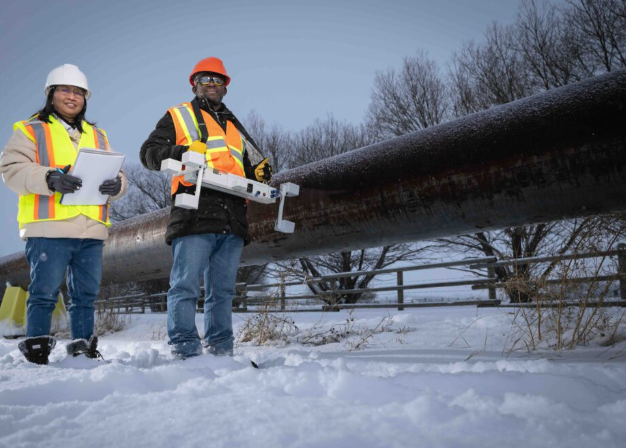
How to Get Started and Transfer Overseas Experience
The Canadian job market is strictly regulated. While international experience and English proficiency give you a great head start, working officially at full capacity in Edmonton requires credential recognition under local regulations.
To legally use the title Professional Engineer (P.Eng.) in Alberta, you must register with APEGA. Prepare for paperwork: you will need an educational credential assessment, verified work experience, and to pass the National Professional Practice Examination (NPPE) on local law and ethics.
Credential evaluation takes time, but you won’t have to sit idle. In the meantime, you can earn an income working as a designer, engineering technologist, or junior specialist.
Skilled trades are regulated by AIT (Alberta Apprenticeship and Industry Training). The good news is that your foreign experience counts. You do not need to start over as a first-year apprentice. You can apply through the Qualification Certificate Program, demonstrate your skills, and challenge the exam.
Startup Costs: Certifications and Licenses
Obtaining clearances and validating credentials is an investment worth planning for in advance. On top of professional licensing, almost anyone planning to work on site will need a standard safety training suite. Without it, you simply won’t be allowed on site.
Here is an estimated budget:
- Educational Credential Assessment (WES / IQAS): $200–$300 CAD;
- Engineering application (APEGA): from $400 CAD for initial application, plus the NPPE ethics exam (~$400 CAD) and annual dues;
- Trades credential recognition (AIT / Tradesecrets): $150–$450 CAD depending on the specific assessment pathway;
- Essential site safety tickets (1–2 day courses in Edmonton): H2S Alive (working in sour gas risk environments) — ~$150–$200 CAD; CSO / Common Safety Orientation — ~$100 CAD; First Aid / CPR — ~$100–$150 CAD.
Pro tip for your resume: having these safety certifications ready when applying (or obtaining them right after arrival) puts your application at the top of recruiters’ stacks, as you’ll be ready to deploy immediately.
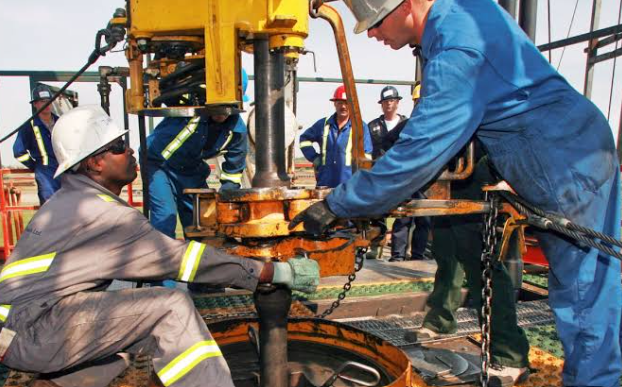
Step-by-Step Action Plan: Launching Your Career in Edmonton
- Tailor your resume to Canadian standards. Local recruiters look for specifics: numbers, measurable facts, and clear outcomes rather than vague descriptions. Use Alberta-specific industry terms. Most importantly, state your work authorization status at the top, along with any active safety tickets or APEGA/AIT application stages.
- Search where the jobs actually are. Don’t rely on just one platform. General job boards: LinkedIn (top choice for engineers), Indeed Alberta, and Canada Job Bank. Specialized industry boards: Careers in Energy (careersinenergy.ca), Rigzone, and BOE Report Job Board. These aggregate listings for oil & gas, hydrogen, and renewables.
- Use local education as a stepping stone. Taking short courses or certificate programs at Edmonton institutions—such as NAIT (Northern Alberta Institute of Technology) or the University of Alberta—is one of the fastest ways to integrate into the market. Many NAIT programs include industry practicums where you can build networks and impress employers.
- Build your local network. Many great positions here are filled through word-of-mouth and professional referrals. Attend industry events, stay active on LinkedIn, and join local chapters of professional associations. Genuine networking can yield better results than sending out hundreds of cold resumes.
- Be open to field work and travel. Most successful energy careers in the capital region started with field rotations or shifts in northern hubs like Fort McMurray or Grande Prairie. Hands-on field experience significantly boosts your value as an engineer or manager.
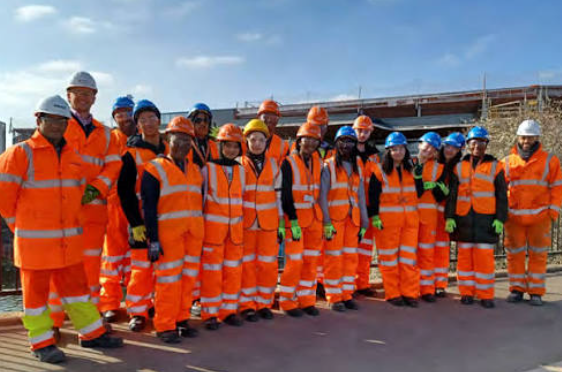
Work Schedules and Work Permits
Some jobs are located in Edmonton’s suburbs—such as the Alberta’s Industrial Heartland industrial park (Sherwood Park, Fort Saskatchewan). These typically offer a standard 5/2 urban schedule.
Meanwhile, high-paying remote positions in the north operate on shift schedules (such as 14/14 or 21/7) featuring camp accommodation and fly-in, fly-out (FIFO) travel provided by the employer.
Regarding work authorization, energy employers prefer candidates with an Open Work Permit or Permanent Residency (PR). Sponsorship through an LMIA is generally reserved for rare, highly specialized skill sets. State your work status clearly in your resume header to save time for both yourself and hiring managers.
Seasonality and Cycles: What to Expect
From March through May, melting snow makes northern unpaved roads impassable for heavy equipment. Drilling and field operations slow down during this period, known as “spring breakup,” and field crews take time off. In Edmonton itself, however, this marks the start of “turnaround season” (Shutdowns), when refineries shut down for planned maintenance and require a huge temporary workforce.
While sensitivity to oil prices remains, Edmonton’s market is far more resilient than it was a decade ago, thanks to growth in hydrogen, carbon capture (CCS), and renewable energy projects.
The energy sector in Edmonton isn’t just about quick earnings—it’s about building a stable, long-term career. The industry is becoming increasingly sophisticated, high-tech, and environmentally focused, ensuring a steady demand for qualified talent and sharp minds. A clear understanding of certification requirements, a willingness to learn, and proactive networking are all you need for a confident start.