

Manoly Lupul was a renowned historian and educator from Edmonton. He made a significant contribution to the city’s education system by introducing numerous effective academic programs. His research focused on Canadian-Ukrainian history and multiculturalism. Learn more about his achievements and interesting facts from his life in this article on edmonton1.one.
Childhood and Education

Manoly was born in Vegreville on August 14, 1927, to a family of Ukrainian immigrants. When he was 17, his family moved from Bukovyna to Edmonton. After graduating from Victoria High School, he enrolled at the University of Alberta.
Upon earning his degree, Lupul remained at the University of Alberta as a faculty member. In 1958, he became a professor and was appointed Chair of the History Department. This marked the beginning of his intensive research on multiculturalism and history.
Lupul was an active member of several national and local organizations, including the Canadian Multiculturalism Advisory Council, the Ukrainian Canadian Committee, and Edmonton’s Historical Board.
Research on Multiculturalism and Major Achievements
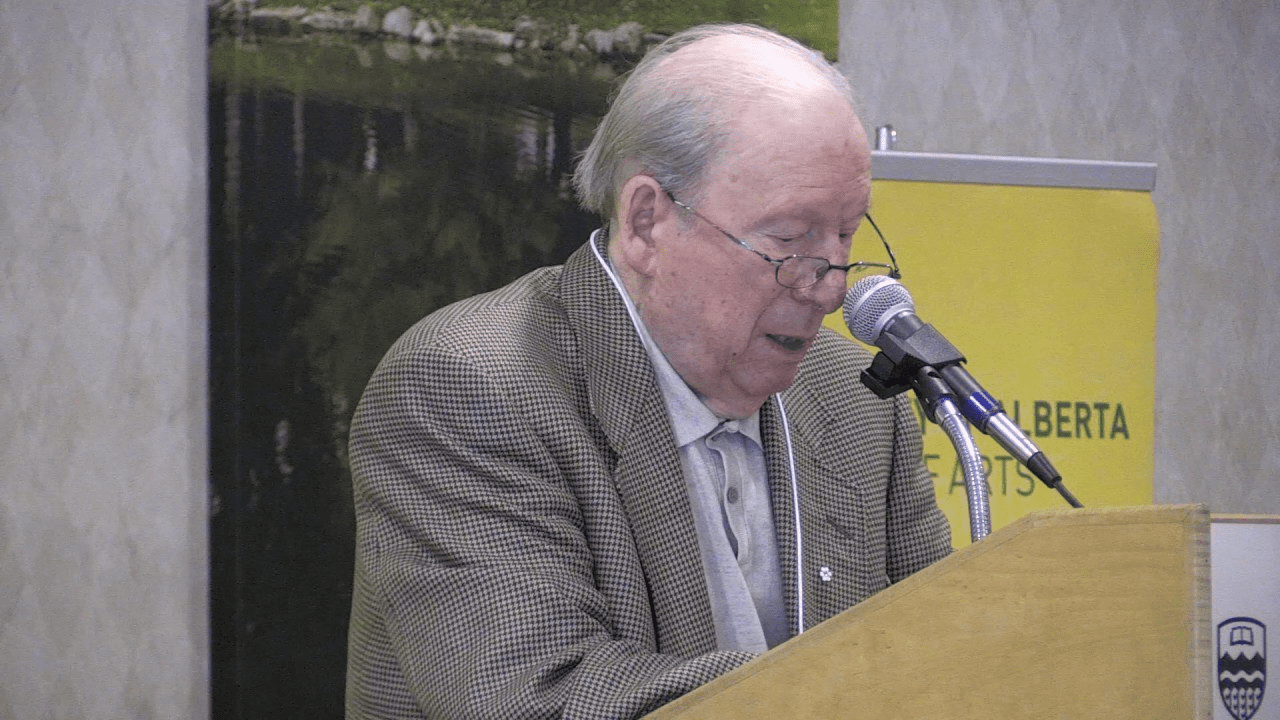
In 1965, Lupul, along with lawyer Petro Savaryn and political scientist Bohdan Bociurkiw, presented to the Multiculturalism Commission in Edmonton. They advocated for the promotion of Ukrainian culture within Canadian society.
In 1970, the commission recommended that all Canadian post-secondary institutions expand research in humanities and social sciences. This became the catalyst for the establishment of the Canadian Institute of Ukrainian Studies (CIUS) at the University of Alberta.
CIUS was officially founded in 1976, largely due to Lupul’s persistent advocacy. The new institute became a leading centre for research and publications on Ukrainian and Ukrainian-Canadian topics. Thanks to Lupul’s visionary leadership and tireless efforts, a solid foundation was laid for CIUS to become one of Canada’s foremost institutions for Ukrainian studies. The Government of Alberta provided financial support for its operations.
From 1976 onward, Manoly Lupul served as the first director of CIUS. Under his leadership, Ukrainian studies flourished in Canada, and he authored numerous English-language works about Ukraine and the Ukrainian diaspora.
Lupul was a strong advocate for linguistic and cultural diversity. In the early 20th century, Ukrainian-English schools were established in Manitoba, Saskatchewan, and Alberta. However, they were later disbanded in favour of English and French-language education.
In 1976, Lupul, along with Ukrainian business leaders in Edmonton, successfully lobbied for an amendment to the law, allowing for Ukrainian language instruction in select Edmonton schools.
In 1974, Lupul played a key role in developing a certified Ukrainian-English bilingual education program. Following its launch in Alberta, Manitoba and Saskatchewan adopted similar models based on Lupul’s framework.
As a scholar, Lupul firmly believed in the principles of Canadian multiculturalism. He argued that Canada’s minority languages and cultures should receive government funding. Moreover, he emphasized that Ukrainian Canadians should be fully integrated into all aspects of multicultural Canadian society.
In 2003, Manoly Lupul was awarded the Order of Canada for his work in preserving Ukrainian culture and language.
In 2012, he received the Queen Elizabeth II Diamond Jubilee Medal.
In 2018, the Professor Manoly Lupul Endowment Fund was established to support Ukrainian-language education and promote the Ukrainian Language Education Centre at the University of Alberta.On July 24, 2019, just three weeks before his 92nd birthday, Manoly Lupul passed away, leaving behind a lasting legacy in Canadian education and multiculturalism.