

Tony Cashman was a celebrated historian, storyteller, and playwright who significantly shaped Alberta’s capital. A prolific writer, he possessed an uncanny ability to bring characters to life, whisking audiences away on captivating historical journeys. For a deeper dive into his remarkable life and work, join us at edmonton1.one.
Early Life and Formative Years
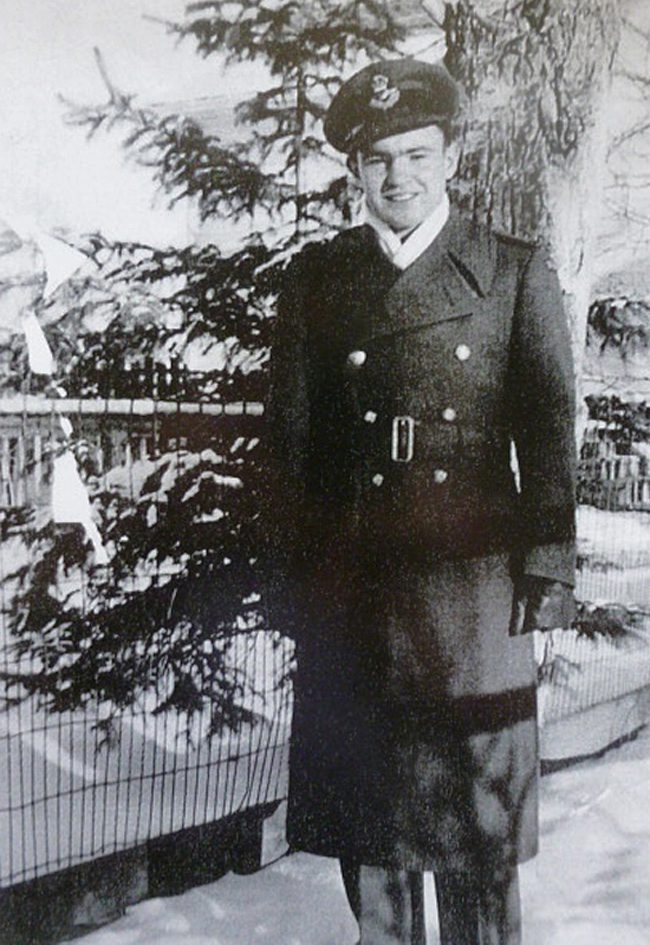
Born in Edmonton on April 29, 1923, in a home that still stands today, Tony was the son of Walcott Cashman, a mining engineer, and Helen, a teacher. The family had moved to Edmonton from Chicago in 1906. Tony often spoke of his father as a brave hero who actively served on the very first day of World War I, earning numerous medals for his valour. After returning to Canada, Walcott played a crucial role in establishing revolutionary electric streetcar systems in mining regions like Montana and Idaho, and later in South Africa, India, and the Philippines. Due to his father’s work, Tony, his mother, and siblings lived in various U.S. cities from 1927 to 1934. In 1934, when Tony was 11, his father tragically died of dengue fever during a trip to the Philippines. His mother decided to move the family back to Edmonton. Tony enrolled in Grade 7 at Grandin School, where a pivotal realization struck him: history is all about perception. It was there that he learned two wildly different versions of the War of 1812, where the same individuals were depicted as heroes in one account and villains in another. Tony was a quiet, inquisitive child with a particular passion for aviation. He spent countless hours with his uncle, George Gorman, a WWI pilot and one of Edmonton’s earliest aviators. When World War II broke out, Tony was just 16. He worried it would end before he was old enough to join, eager to contribute to the war effort. At 19, he enlisted in the Royal Canadian Air Force, serving as a navigator with Bomber Command and completing 30 combat missions over Germany. Before his deployment, he underwent initial training in Saskatoon and then went on to elementary flying school in Prince Albert, Saskatchewan.
A Career in Journalism, Writing, and Broadcasting
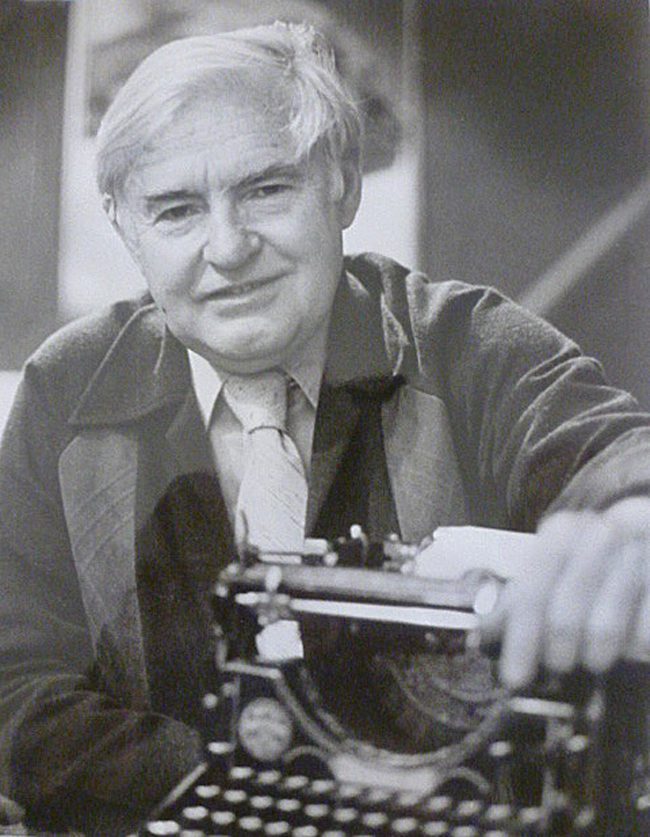
After the war, Tony attended the University of Notre Dame in South Bend, Indiana, before returning to Edmonton to launch a successful career as a journalist, author, and broadcaster. Throughout the 1950s and 60s, Cashman primarily worked in radio, freelancing as a reporter for CJCA and serving as program director for CKUA. His knack for history and reporting made it easy for him to connect with people. In an interview, Tony confessed that he was born with a gift for storytelling, but the real trick, he said, was earning people’s trust. Tony’s storytelling journey began at the tender age of seven, spinning elaborate tales for his younger brother who hadn’t yet learned to read. In 1950, while preparing the evening news for CJCA radio, he crafted a story about some feisty local beavers that had been relocated to the Athabasca River, highlighting the beaver’s significance in Edmonton’s history. This led to a series of one-minute “cartoon” commercials, and by 1951, a ten-minute program called “The History of Edmonton,” which ran for a decade, broadcasting over 700 segments. Cashman firmly believed in the importance of bringing stories to life. His grandfather had taught him that shared stories offer insight into people’s thoughts, experiences, and perspectives on life. Tony’s style was deeply influenced by the humanistic views of Stephen Leacock, the renowned Canadian educator, writer, and humorist. While some historical texts can be judgmental, Tony felt his writing style allowed individual personalities to shine through. The essence of Cashman’s storytelling invited everyday people, not just the elite, to become part of history, giving them a glimpse into the ordinary concerns that mattered to past generations. And he did it all with humour, believing that the ability to laugh is a vital part of human nature, essential for maintaining a balanced perspective. Over his career, Tony penned numerous historical books, including “Vice-Regal Cowboy” (1957), a biography of J.J. Bowlen, Alberta’s Lieutenant Governor, and “Heritage of Service: The History of Nursing in Alberta” (1966), among others. All were highly praised by readers worldwide.
Playwriting and Exploring Alberta’s Back Roads
In 1970, Tony Cashman became the historian for Alberta Government Telephones and curator of its museum. During this period, he published “The Telephone in Alberta” (1972) and a children’s book illustrated by popular local cartoonist Yardley Jones. Tony retired in 1983, which sparked a new chapter of exploration, taking him to places far off the beaten path. He also began developing innovative ways to breathe new life into history. With friends, he spent weeks at the Jasper Park Lodge, bringing Western Canadian history to life through an interactive multimedia show. In 1994, Cashman ventured into playwriting, creating a piece where Emily Murphy recounted her life story by reading from her own works during a literary evening at her home. This production was so successful that Tony was commissioned to create plays about Nellie McClung and Irene Parlby. These women were two historical figures famously part of the “Famous Five.” Tony’s unique creative touch allowed audiences to see each woman as an individual in a more nuanced light. In honour of Canadian History Week 2014, these plays were transformed into a multimedia show called “Women Are Persons – It’s The Law” at the Provincial Archives of Alberta. Tony then continued writing plays for The Fringe Festival. “Emily Carr and Victoria: Growing Up Together” premiered in 2011, and in 2012, he traveled to Vancouver Island. Beyond his plays, Cashman continued to write manuscripts using a 1924 Underwood typewriter his mother had bought secondhand in 1935.
Awards and Lasting Legacy
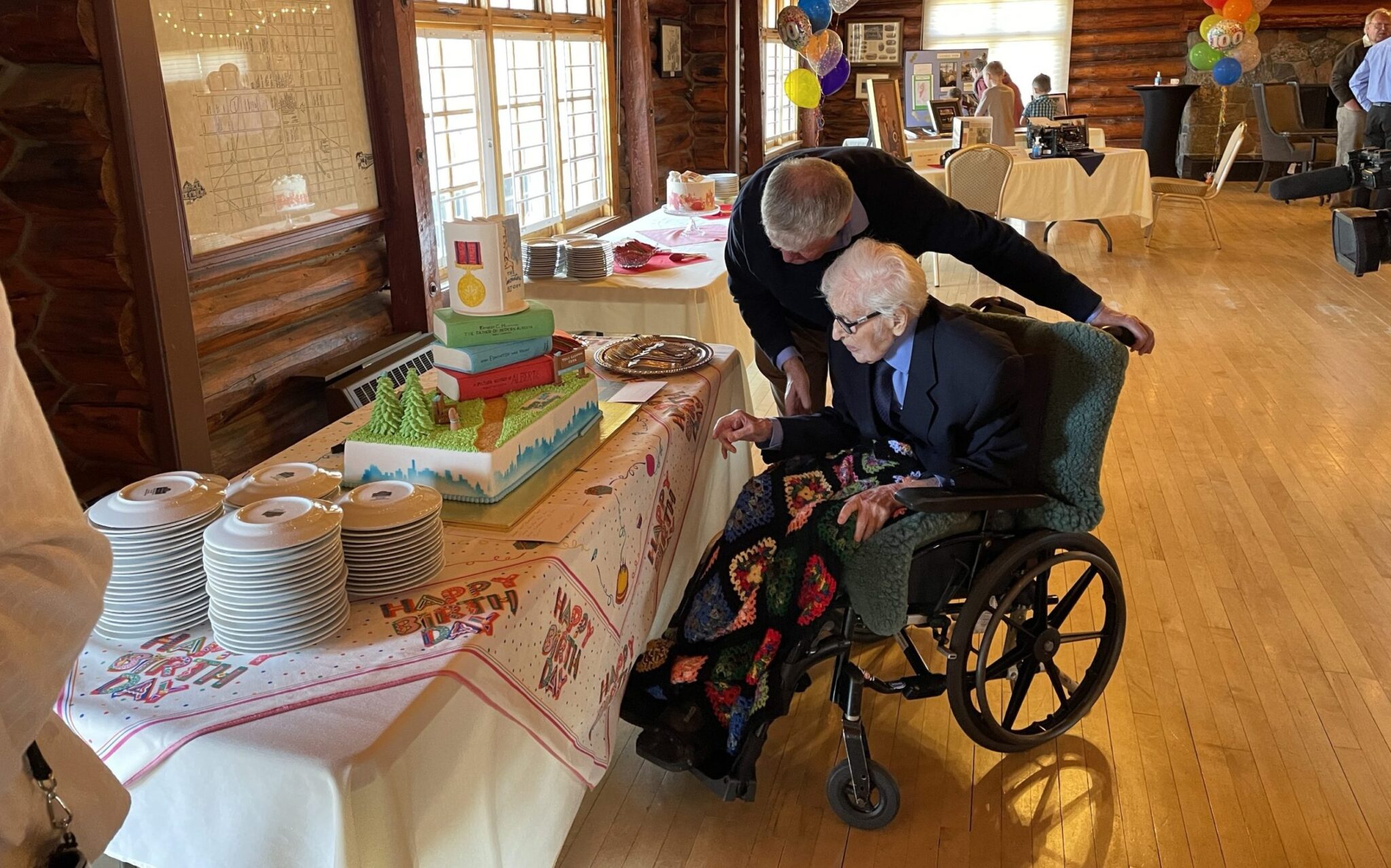
Throughout his prolific writing career, Cashman remained remarkably humble about his achievements. Nevertheless, he was widely regarded as one of Edmonton’s finest local historians. In 1975, he received the Edmonton Historical Board Award, and in 1999, he was inducted into Edmonton’s Cultural Hall of Fame. In 2010, he was honoured with the Alberta Historical Society’s annual award, and in 2011, a neighbourhood in Edmonton was named in his honour. In 2014, Tony was recognized with the Order of Alberta for his outstanding contributions. Clearly, this remarkable individual made a profound and lasting impact on the history of Edmonton and Alberta. In 2023, Tony celebrated his 100th birthday surrounded by family, friends, and colleagues. Historian Tim Marriott from the Fort Edmonton Foundation gave a heartfelt address, noting a common thread in Tony’s stories. He also emphasized that the only way to truly understand Edmonton is to read Cashman’s books. Tony Cashman passed away on June 3, 2024, leaving behind a rich legacy that continues to be cherished by those who came after him.