

Edmonton is home to many renowned scientists whose daily research significantly contributes to their respective fields. One such individual is John England, a native of Edmonton and an esteemed professor in the Department of Earth and Atmospheric Sciences at the University of Alberta. His remarkable achievements and numerous accolades are detailed below. More on edmonton1.one.
Scientific Contributions and Objectives
John England’s significant scientific contributions stem from over 50 years of fieldwork in Canada’s Arctic Archipelago. His research focuses on documenting environmental changes from the Ice Age to the present, reconstructing the scale, chronology, and dynamics of past ice sheets. This long-term perspective is crucial for understanding modern environmental changes in the Arctic.
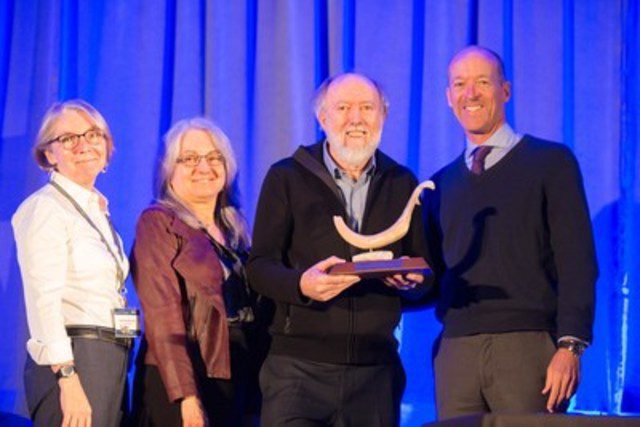
England is a staunch advocate for Arctic science and works to raise awareness about the unique heritage of Canada’s Arctic landscapes. He played a pivotal role in establishing Canada’s Quttinirpaaq National Park on Ellesmere Island. In 2012, he was inducted into the Royal Society of Canada in recognition of his dedication to Arctic science and global public engagement.
First Journey to the North
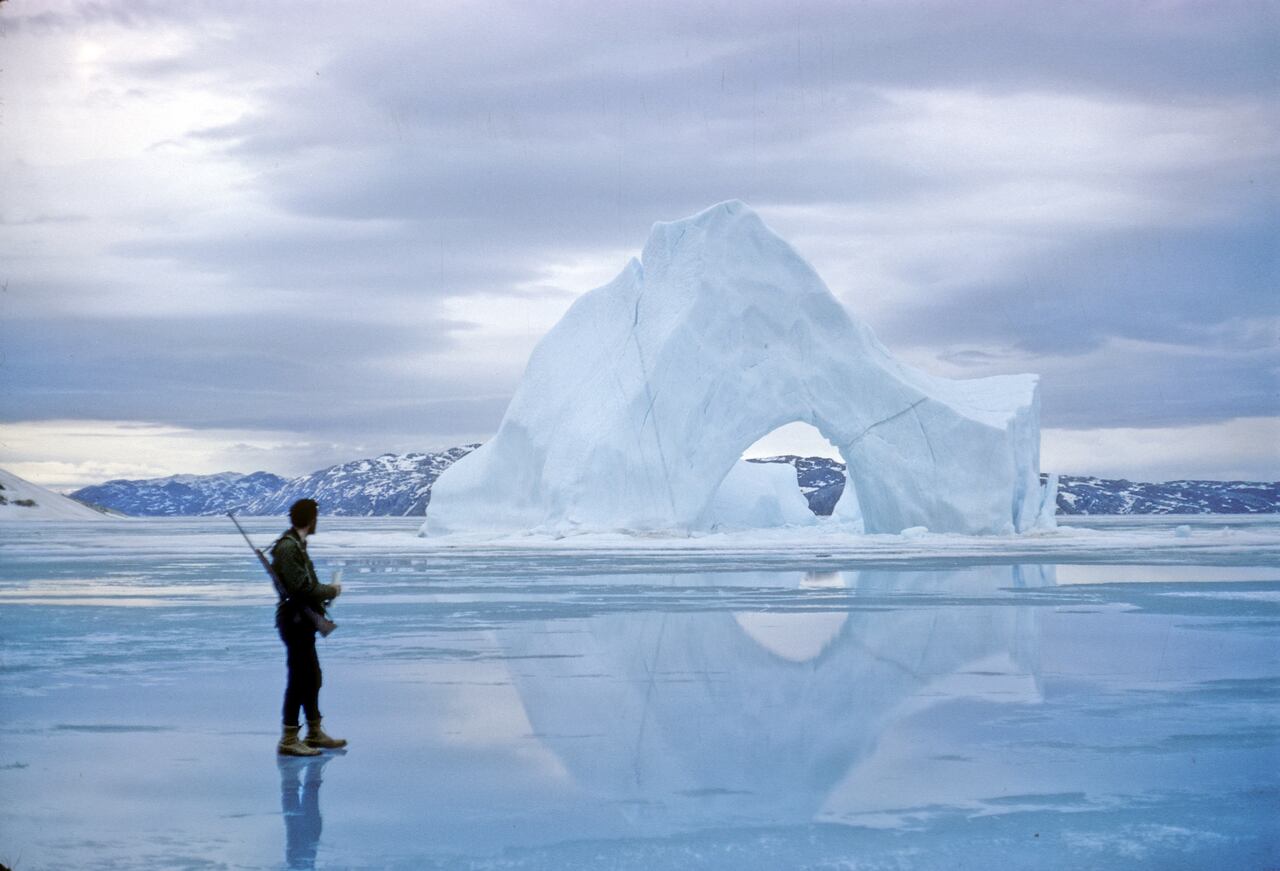
John’s first Arctic expedition occurred over 50 years ago when he was a student at the University of Windsor. In 1965, he was unexpectedly selected as an assistant for a four-month research expedition to Baffin Island. Reflecting on the experience, England admitted he had no prior knowledge of the island. That journey marked a turning point in his career, igniting a lifelong passion for Arctic exploration.
Throughout his career, John conducted groundbreaking research across the Arctic, including Ellesmere Island, Banks Island, and other remote locations. Canadians also credit him with proposing the establishment of Quttinirpaaq National Park.
The Arctic: A World of Discovery
John England has mentored over 30 graduate students in Arctic research, sharing his expertise and inspiring the next generation. Many of his mentees have gone on to distinguished careers in Arctic science. In 2016, England was awarded a $50,000 prize for his Northern research. Reflecting on the Arctic, he likened it to a realm of silence and simplicity, expressing his gratitude for the opportunity to immerse himself in its tranquility regularly.
England’s research focuses on the history of ancient ice sheets, sedimentary deposits in oceans and lakes, and currents. His findings have offered valuable perspectives on how human actions can positively impact climate change. Comparing his observations to watching a time-lapse film, John has detailed the evolution of a massive ice sheet near Ellesmere Island, which he studied extensively. He demonstrated that this ice sheet existed for over 12,000 years before climate change accelerated its melting.
Family and Legacy
John’s daughter, Jennifer, has been a significant influence in his life. Now working with the Yukon Government’s Women’s Directorate, Jennifer fondly recalls family gatherings on their 40-acre property in Edmonton. She shared that her father was always surrounded by bright young graduate students who recounted fascinating Arctic adventures. As a teenager, Jennifer accompanied her father on several research expeditions.
In 2021, John celebrated his 70th birthday. Despite his age, he remains highly active, writing articles, serving on committees, mentoring students, and delivering lectures.