

Catherine Fraser is a prominent figure not only in Edmonton but also far beyond. As the first woman appointed as Chief Justice of Alberta, she dedicated 30 years to improving equitable and fair justice delivery and upholding the rule of law. Her leadership in judicial education has had a significant impact both nationally and internationally. A strong advocate for inclusive justice, Catherine has become a role model and a leading voice for equality in Canada. More on edmonton1.one.
Early Life and Youth
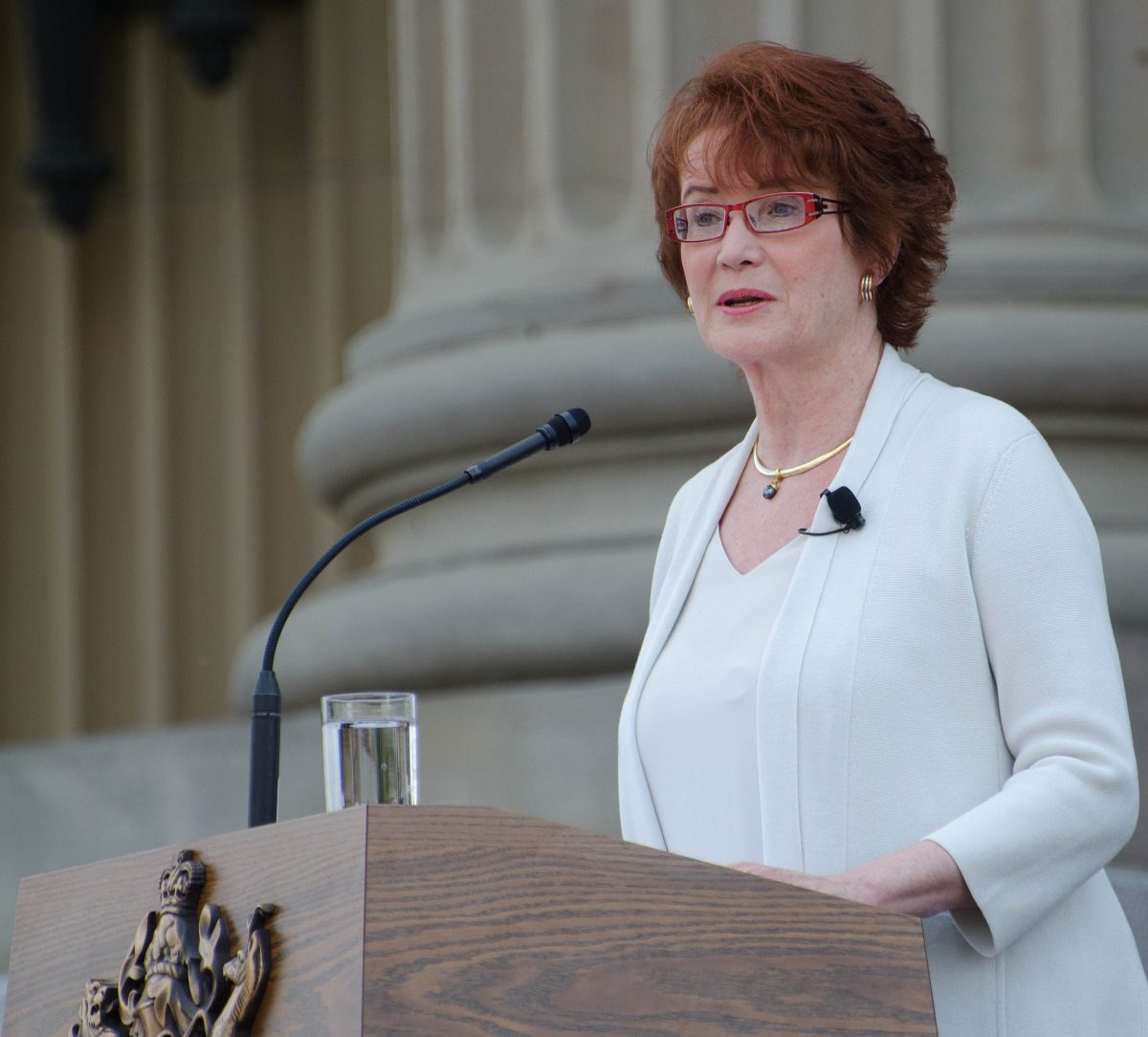
Catherine Fraser was born on August 4, 1947, in Campbellton, New Brunswick, to Antoine and Anne Elias. Her parents met in Edmonton during World War II while Antoine was serving at an airbase. They married in 1946, and in 1958, the family relocated to Edmonton.
From a young age, Catherine dreamed of pursuing a legal education. She believed that a career in law was one of the most effective tools for driving societal change. Her career aspirations were shaped by the societal shifts of the 1960s when the realities of discrimination and its unjust exclusion of individuals from their rightful place in society became widely acknowledged.
In 1965, Catherine enrolled in the Faculty of Arts at the University of Alberta. During political science classes, she met Richard Fraser, a first-year law student. They married in 1968 and later had two children.
In 1969, Catherine earned her Bachelor of Arts degree, followed by a Bachelor of Laws with honours in 1970. During her studies, she received the prestigious George Bligh O’Connor Silver Medal in Law and several scholarships.
Early Career in Law

Catherine’s career began auspiciously when she secured an articling position with Joseph Stratton. During her articling, she taught a course titled “Women and the Law,” one of the first of its kind in Canada. In 1971, Catherine earned her Master of Laws degree from the London School of Economics and was called to the bar.
Returning to Edmonton, Catherine began practising law at DLA Piper, specializing in corporate and commercial law. Throughout the 1970s and 1980s, she addressed various audiences on topics including matrimonial property and labour law. As a successful lawyer, she travelled to communities advocating for fair matrimonial property regimes in Alberta, a campaign that culminated in legislative changes in 1979.
In 1983, Catherine was appointed Chair of the Public Service Employee Relations Board. Her judicial career began in 1989 when she joined the Court of Queen’s Bench of Alberta. Two years later, she was appointed to the Alberta Court of Appeal. In 1992, she became Chief Justice of Alberta and the Northwest Territories Court of Appeal, becoming the first woman to hold such a position in any Canadian province.
During her tenure, Catherine held several critical roles in the Canadian Judicial Council. She championed expanding judicial education to include social context issues such as gender, racial, and ethnic equality, as well as justice for Indigenous peoples. As a member of the council’s Special Committee on Equality in the Courts, she played a pivotal role in institutionalizing social context education as an integral part of judicial training across Canada.
Significant Contributions to Law and Judicial Reform
Catherine’s commitment to advancing judicial education extended internationally. She worked on initiatives promoting democratic principles, including judicial independence, the rule of law, and human rights protections. Her efforts included educational programs for judges in Australia, New Zealand, England, and India.
Catherine made a profound contribution to Canadian legal evolution through her precise and persuasive judgments. For example, her notable rulings ensured the full realization of constitutional equality rights. Her decisions on the division of powers between federal and provincial governments upheld foundational constitutional principles critical to Canada’s framework.
Her dissent in the case of Lucy the elephant, which examined the potential scope of animal rights in Canada, broke ground in the emerging field of animal law.
A recurring theme in her rulings was her deep understanding of individuals’ lives, societal complexities, and broader public interests. To enhance efficiency and accountability, Catherine reformed Alberta’s court administration and processes, positioning the province as a national leader in judicial administrative reform.
As a long-standing member of the Canadian Chapter of the International Association of Women Judges, Catherine supported global advocacy for human rights and equality before the law.
Legacy and Recognition
Catherine retired in 2022. In her honour, the Alberta government established the Chief Justice Fraser Scholarship, awarded annually to law students at the University of Alberta and the University of Calgary who study democratic principles.
Her leadership in delivering justice in Canada and on the global stage has received widespread recognition. Catherine has been honoured with numerous awards for her significant contributions to the legal profession and society.