

The Fort Macleod Public Library holds a special place in Alberta’s history as the province’s first library, founded in 1931 by Henrietta Edwards. Starting in a small rented space, the library has grown over decades, becoming a cornerstone of community education and culture. More on edmonton1.one.
Beginnings of the Library
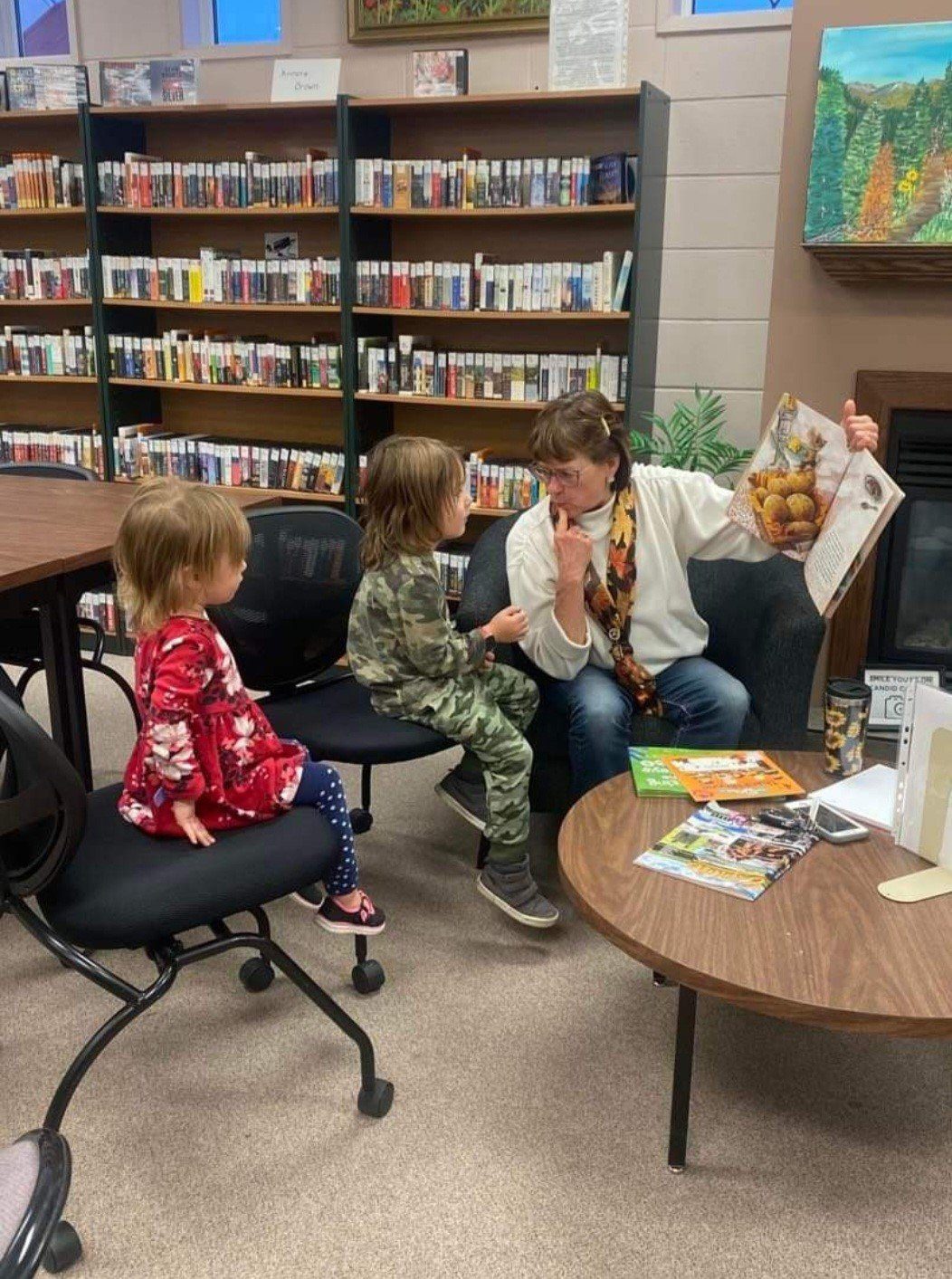
In 1931, Henrietta Edwards rented a room in Struthers’ clothing store on Main Street for just $3 per month. The library’s only funding came from membership fees—$1 annually for adults and $0.50 for children. Despite financial challenges, Edwards provided the public with access to books and knowledge.
When the library opened, it had just one cabinet holding 300 books, donated by the University of Alberta. Later, a large table and two wooden chairs were added for visitors. The library was open only on Saturdays. To expand its operations, Henrietta applied for a provincial grant, eventually securing $15.
In 1937, the library moved to an old office building where it occupied two rooms. The remaining two rooms housed a museum. One room featured reference materials and encyclopedias, along with beaded crafts adorning the walls. The other room served as the librarian’s office, equipped with a large stove converted to gas heating. Winters were harsh, and the space was often too cold, while summers were unbearably hot.
Volunteers played a critical role in the library’s development. They raised $12 in one month, which was used to purchase paintings. Local youth organizations painted the library’s walls annually. The Town of Macleod covered utility expenses, and the Women’s Institute made regular donations. This community effort sustained the library until 1974.
Expansion and New Beginnings
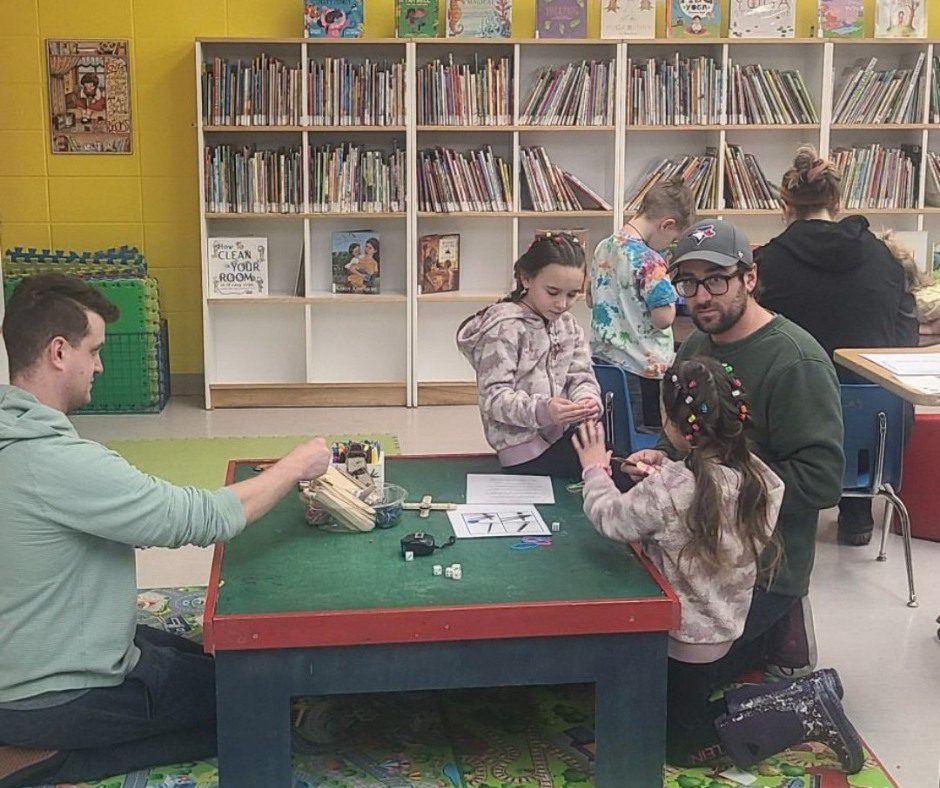
In 1974, the library moved to a new location on South Main Street, thanks to donations from the government and volunteers. The federal government purchased the new building for $151,000, with Alberta Premier Peter Lougheed contributing $45,000 on behalf of the provincial government.
The new space was larger, well-furnished, and equipped with modern amenities. The grand reopening in April 1974 attracted 200 visitors. Joyce Nowicki, a teacher and newly certified librarian, was appointed the first librarian of the updated library.
The library board, comprising former volunteers, was established to assist with the transition. Board member Margaret Moses personally financed the purchase of typewriters and equipment for book processing and cataloging. The city provided shelves, tables, chairs, and filing cabinets, enabling the library to flourish.
Local artists displayed their works in monthly exhibitions at the library. Additionally, the library hosted traveling art exhibits featuring renowned Alberta artists.
Community Engagement and Growth
In 1977, the library introduced a guest speaker series, with its first performer being Herman Linder, a Stampede entertainer. That same year, Archdeacon Swanson from Calgary visited the library and signed copies of his book.
By 1979, the library extended its hours, operating daily from 8:00 AM to 4:00 PM. This change resulted in a significant increase in visitors, as confirmed by the annual report.
Modern Developments
The Fort Macleod Public Library continues to thrive. In 2019, the library launched its own website and an e-book catalog, enabling residents to access books online. The library remains a hub of community activity, hosting events, performances, and reader competitions.
Through decades of dedication and volunteer efforts, the Fort Macleod Public Library has grown from a small local institution to a modern community resource, enriching the lives of its patrons and preserving the legacy of its founders.