

The Maple Leaf Sports Club boasts a rich and vibrant history, uniting individuals with a passion for sports. For a time, the club inspired many to embrace physical activity and take up hockey, leaving a lasting legacy in Edmonton’s sporting community.
Edmonton is widely regarded as a hockey city, with many children learning to skate before they even start school. Local rinks have been a central part of life for generations. In the early 1930s, a large rink opened on 118th Avenue, becoming a meeting place for the members of the Maple Leaf Club. More on edmonton1.one.
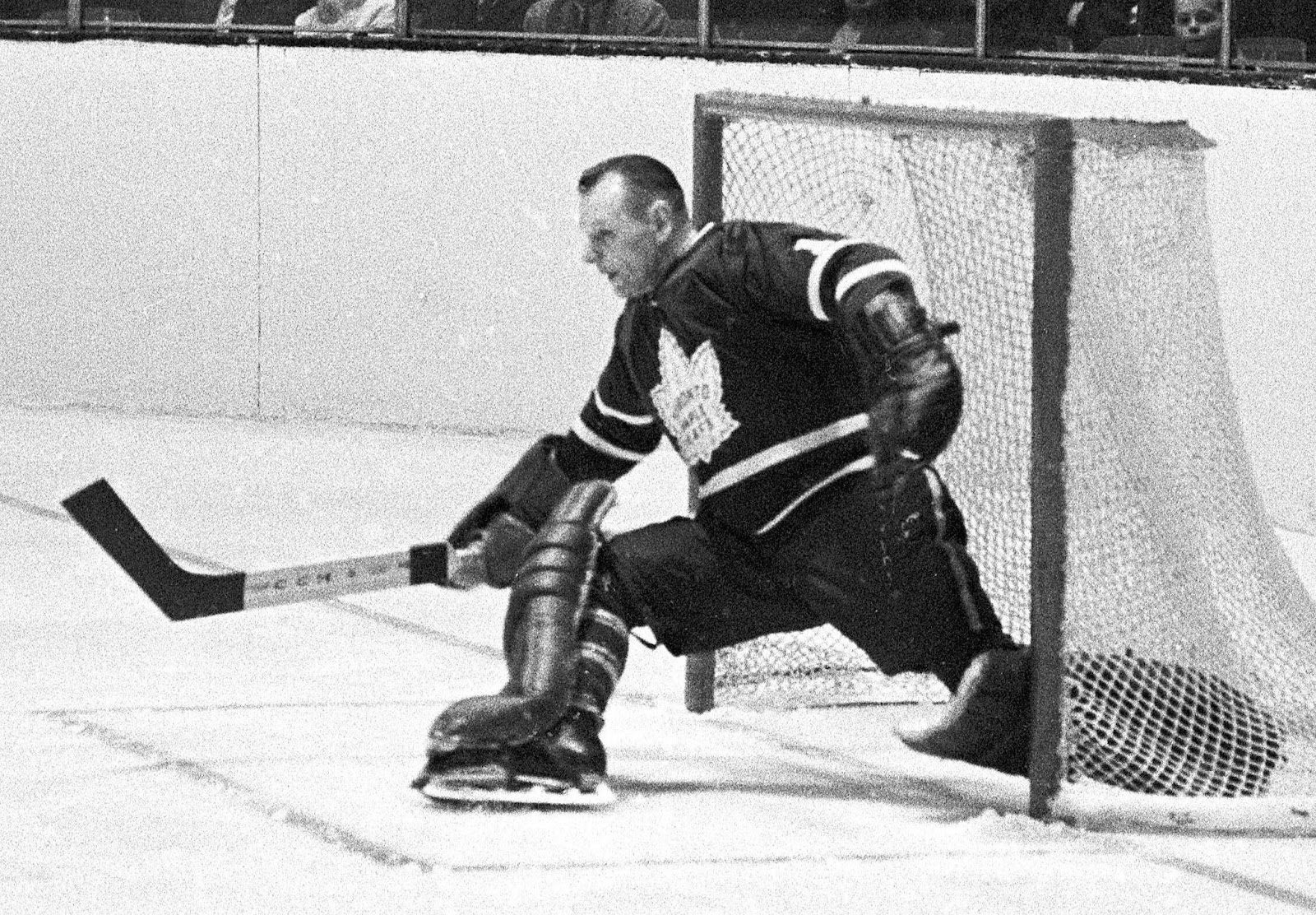
Foundation of the Maple Leaf Sports Club
Parents in Edmonton often enroll their children in specialized programs to teach them hockey. The Maple Leaf Sports Club was one such organization, founded in 1931 by Henry White.
White, a Boy Scout leader, dedicated himself to working with underprivileged children. His goal was to create a positive sporting community for boys in the area. Through the Maple Leaf Club, White organized hockey, football, athletics, and baseball teams. The club’s first hockey team was made up of 14-year-old boys.
In their second year, the team won the Midget League and defeated a Calgary team to claim the provincial title—a remarkable achievement for such a young group. By 1935, the club expanded its sports program to include baseball and lacrosse. Players on the Maple Leaf team were versatile athletes, excelling in multiple sports of the time.
However, the lack of dedicated facilities for training and socializing limited the team’s growth.
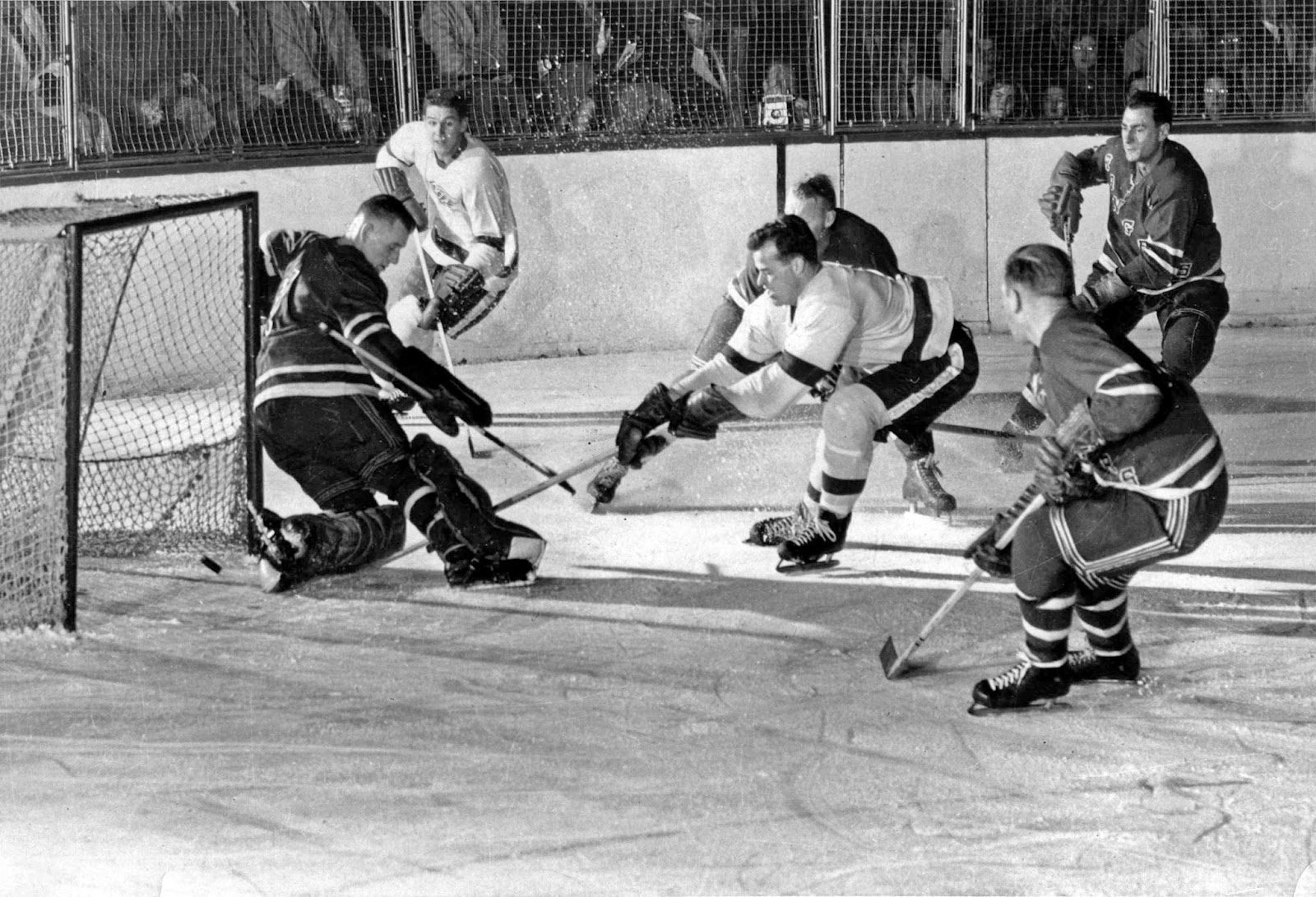
Establishing a Clubhouse
In 1948, volunteers secured a building located between 84th and 85th on 118th Avenue. The structure, originally an abandoned wartime army hut, featured several rooms, large windows, and wooden floors. Conveniently, the Eastwood skating rink was just a block away, providing a nearby venue for training.
By 1950, the club decided to focus solely on hockey, phasing out other sports. During the early development of youth hockey in Edmonton, players often lacked proper gear, and skates were passed down from one player to the next.
Growth of the Maple Leaf Club
The Maple Leaf team competed frequently against other community league teams, playing several matches each week.
Over the years, the club trained in various makeshift spaces, including basements and rented halls. In 1970, Maple Leaf secured a more permanent location, where they added a kitchen and a meeting hall.
By the mid-1990s, hockey remained a team-centered sport, relying heavily on volunteers who coached and supported the teams. A women’s auxiliary group organized fundraising events, using the proceeds to purchase uniforms and protective gear for players.
In 1991, United Cycle became a significant sponsor for Maple Leaf, investing generously to help the team thrive. Alongside the volunteer efforts to secure additional sponsorships, this support ensured the club’s continued development.
Despite financial difficulties and other challenges throughout its history, the Maple Leaf Club endured, participating actively in Edmonton’s hockey programs.
The End of an Era
In 1962, the Edmonton Hockey Association was established to oversee the sport in the city. As a result, the Maple Leaf Club ceased operations, marking the end of a significant chapter in Edmonton’s hockey history.