

William Shepard, a businessman from Strathcona, set the standard for what real beer should be. Shepard built several breweries in Edmonton and beyond, introducing high-quality, flavourful beer crafted using special recipes. Read on at edmonton1.one to learn about the evolution of Shepard’s breweries and other intriguing facts. More on edmonton1.one.
The Beginning
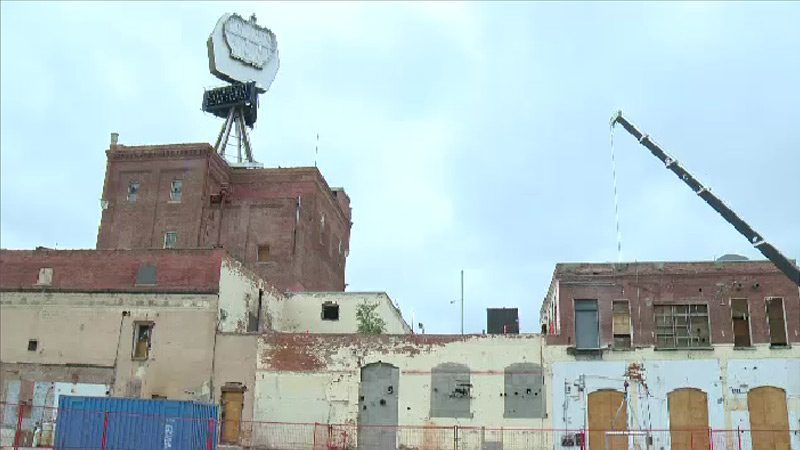
In 1904, Shepard was the mayor of Strathcona. His first brewery was located in Rosedale, quickly becoming a profitable venture. Emboldened by this success, Shepard purchased several acres in Edmonton to construct a new brewery.
He hired Bartel, a renowned Chicago architect and engineer originally from Germany, to design the project. Known for his expertise in crafting sophisticated breweries, Bartel brought a unique touch to Edmonton. Construction, however, faced delays due to the 1906 stock market crash, labour strikes, and material shortages, only commencing in 1912. Peter Rule’s construction company was contracted to oversee the build.
By 1913, the brewery’s five-story building was nearly complete when a fire almost derailed the project. Overheating in one of the cement drying furnaces caused a wooden floor to ignite. Quick action by workers saved the facility. Officially completed the same year, the brewery cost Shepard $610,000.
Constructed with red brick, reinforced concrete, and steel, the brewery featured 29-inch-thick walls and intricate architectural details. Local media, such as the Edmonton Daily Bulletin in 1913, praised the building for its arched windows, stone accents, and torch-like ornaments crowning its corner towers.
The Development of Brewery No. 6 Edmonton Export
In spring 1913, the first bottles rolled off the assembly line under names like Yellowhead Beer, Edmonton Family Lager, and Imperial Stout. However, 1920 proved to be a challenging year due to the implementation of Prohibition. The brewery survived by exporting its beer.
By 1923, Prohibition was lifted, allowing the brewery to thrive. Equipped with state-of-the-art technology, it produced over 5,000 bottles daily. In 1924, Shepard commissioned architect Ralph Turta to design an Edwardian-style red-brick office building next to the brewery.
In 1927, despite the brewery’s success, Shepard sold the operation to Fritz Sick, a brewer from Lethbridge. Sick continued to expand and modernize the brewery.
A Modern Brewery
In 1958, the Montreal-based company Molson acquired the brewery from Fritz Sick. By winter 1960, it had been renamed Molson “M.” A large, rotating rooftop sign, weighing 2.5 tons and standing 18 feet tall, became a prominent feature.
In 1967, Molson invested $1 million in renovations, introducing stainless steel brewing technology and adding a bottling plant on site.
By 2004, Molson “M” underwent another modernization worth $12 million. However, in the summer of 2007, the brewery closed due to worker strikes and shifting consumer preferences. The closure led to the loss of 200 jobs, marking the end of a 94-year brewing tradition in Edmonton.
Today, two remaining buildings stand as a testament to Edmonton’s vibrant beer industry, a legacy that quenched the thirst of five generations.