

Since 1813, Edmonton residents have actively cultivated their own land, growing fruits and vegetables for sale at local markets. These early agricultural efforts not only provided sustenance but also contributed to the city’s economic and cultural growth. Learn more about the evolution of Edmonton’s gardens and their benefits to the community on edmonton1.one.
The Beginning
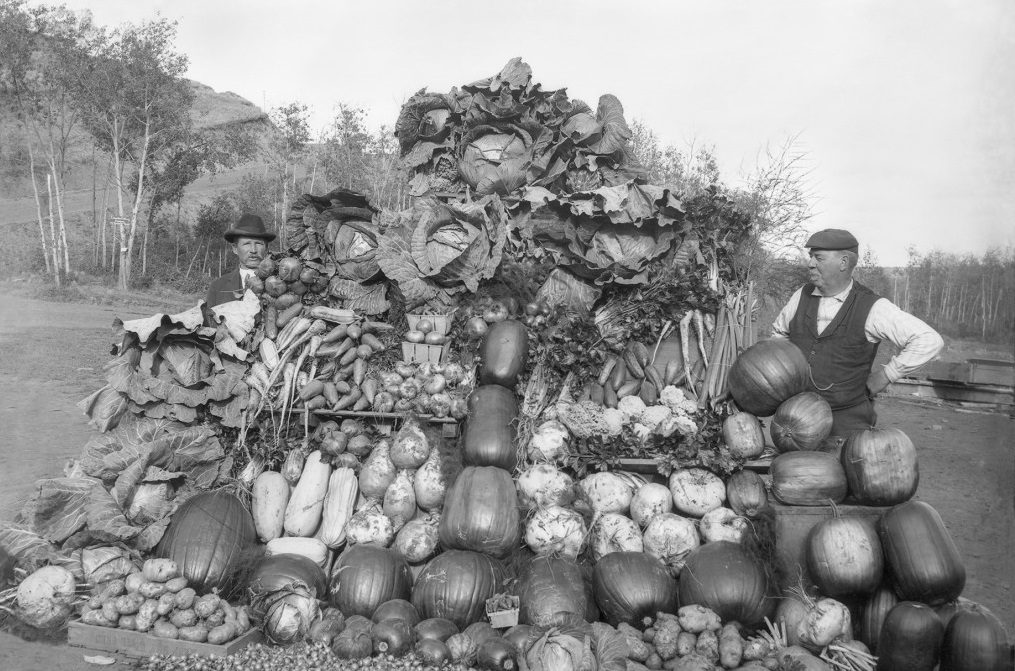
The first settlers in Edmonton in 1813 began cultivating crops such as barley, turnips, cabbage, and potatoes. Among the most popular crops was Red Fife wheat, which earned first prize at the Chicago exhibition.
Edmonton’s gardens were primarily located on both sides of the 105th Street Bridge, offering ideal conditions for a variety of crops. Donald Ross, the city’s first notable gardener, played a pivotal role in developing Edmonton’s agricultural landscape.
In 1874, Ross purchased and cultivated land in the Lot River Valley. By 1889, he was growing strawberries and participating in national agricultural exhibitions. In 1895, Ross built Edmonton’s first heated greenhouse, setting a new standard for gardening.
Early Market Farming
As Edmonton grew, farming flourished. By 1900, agriculture was a significant industry. In 1905, farmers began selling their produce daily from trucks at the open Market Square, now the site of the Stanley A. Milner Library in downtown Edmonton. The market thrived, generating significant income for local farmers.
With their earnings, farmers invested in additional land, quickly expanding agricultural holdings along the river valley.
In Edmonton: A History, author James MacGregor describes the early cityscape, noting that nearly every yard housed horses, cows, and gardens, with vegetables often grown in front yards. Potatoes, in particular, were a common crop.
Development of Horticulture in Edmonton
By 1915, urban institutions began embracing gardening. For example, the city prison maintained a large garden, and in 1916, its produce was donated to the Royal Alexandra Hospital.
This period also saw the growth of Edmonton’s municipal market. Many residents purchased land from the city to grow vegetables for commercial purposes.
In 1918, the Edmonton Horticultural Society was established, managing 8,000 vacant plots. Early efforts were led by Chinese gardeners who leased land from J.B. Little Brickworks, located north of Riverdale School between 88th and 92nd Streets along 101st Avenue.
By 1935, Edmonton was home to 15 Chinese-operated gardens stretching along the North Saskatchewan River valley to Government House. Among them, Hop Sing’s garden was the largest, covering more than six city blocks and employing numerous workers.
Even during World War II, gardening remained a vital industry. The government promoted “Victory Gardens,” encouraging citizens to grow fruits and vegetables to support the military. Posters around the city urged residents to cultivate their gardens for the war effort.
Decline of Local Markets and the Rise of Supermarkets
By 1955, Edmonton’s traditional vegetable markets began to lose relevance with the opening of the indoor Westmount Shopper’s Park. Imported fruits and vegetables became widely available, making it easier for working residents to purchase produce rather than grow it.
By the 1980s, megamarkets dominated Edmonton’s food scene. However, community gardening saw a resurgence, with 60 greenhouses, 10 farmers’ markets, 98 community gardens, and 58 school-based gardens by 2000. Although Edmonton residents continue to appreciate locally grown produce, modern shopping habits favour supermarket fruits and vegetables over homegrown goods.