

World War II significantly influenced the development of education in Alberta. During the war, primary and secondary schools, as well as universities, saw reduced student and teacher numbers, and specialized curricula were introduced. Read on to learn about the state of education in Alberta during this period. More on edmonton1.one.
The War’s Impact on Education
Although the battles occurred overseas, the war’s effects were evident in every aspect of social, political, and economic life, including education. In Alberta, local schools were instructed by the government to introduce military training lessons for male students. This was due to the perceived imminent threat of fascist attacks on the province.
Students participated in emergency preparedness and defence training as well as first-aid courses. Many secondary schools made cadet military training mandatory for all male students.
In 1939, Edmonton’s school board announced compulsory cadet training for senior high school students, followed by a similar mandate from Montreal’s school board in 1942 for students in grades 9 through 11.
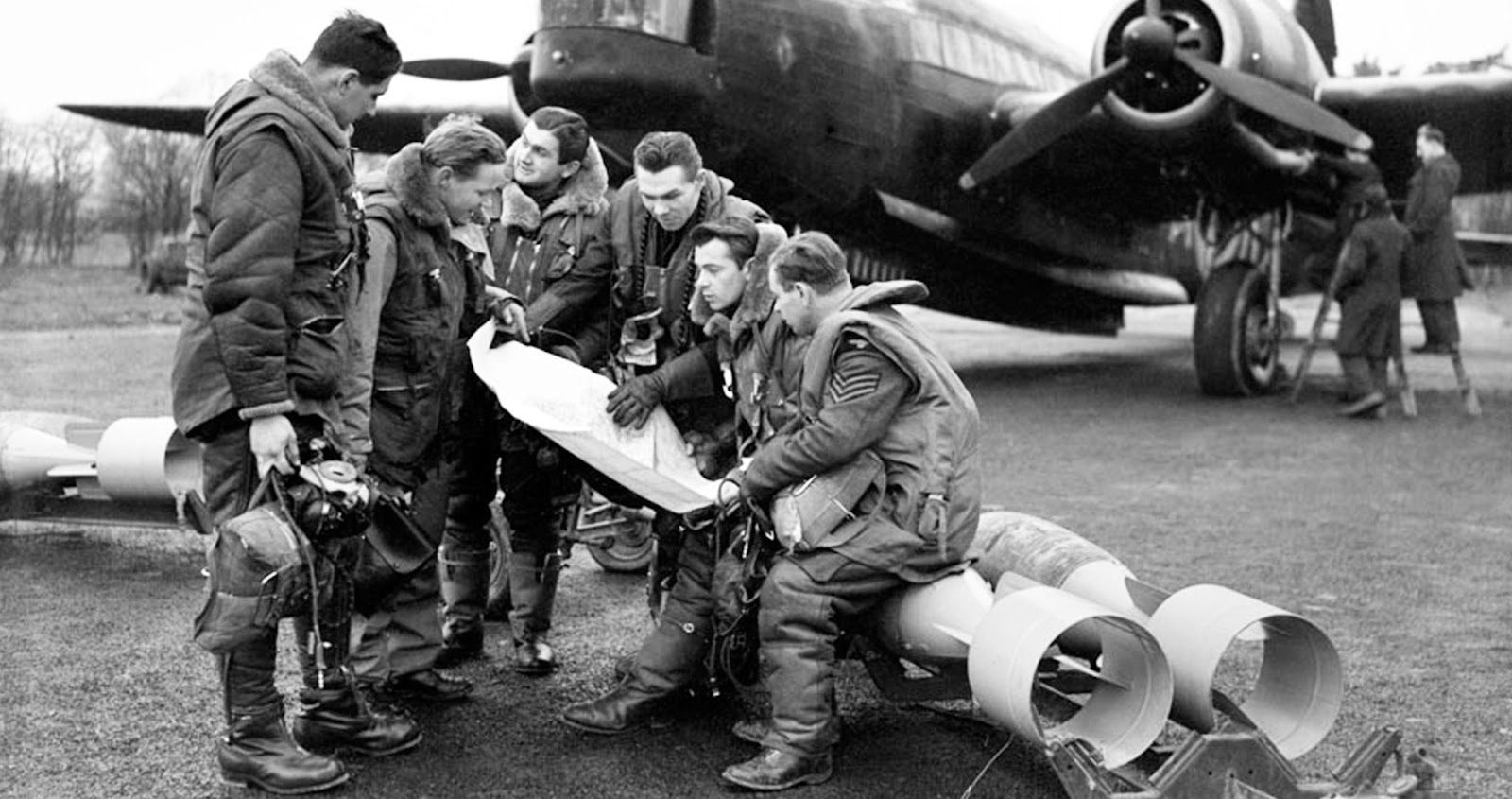
Many male students were exempted from active military service. Concordia College formed a reserve unit called the “Concordia Platoon.” Members of this reserve underwent regular military training, participated in parades, and received instruction as part of Alberta’s only Commando unit.
By 1942, tensions in Canada escalated as the war raged on. In September of that year, the government announced the conscription of all male students into the armed forces.
Students with strong academic records were allowed to continue their university education, while those who failed exams were sent to military camps. By 1943, 550 students and graduates from Alberta’s universities were serving in the armed forces.
The war profoundly affected all aspects of school curricula. Archival documents in Alberta reveal the war’s influence on education and the wartime experiences of teachers. Curriculum guides show that educators saw the wartime school system as a crucial means for children to learn specific details about the war.
The government issued special brochures for teachers on how to deliver lessons. Yearbooks and student newspapers featured historical accounts and creative articles written by students, expressing their thoughts on the war.
Propaganda promoting war-related activities and changes to school programs were evident across all educational institutions. Adjustments to curricula and school events in support of the war effort sparked debates. Concerns about education during wartime reached “unprecedented levels nationwide,” with educators and the public discussing the role of education in society. Students were actively involved in aiding the military.
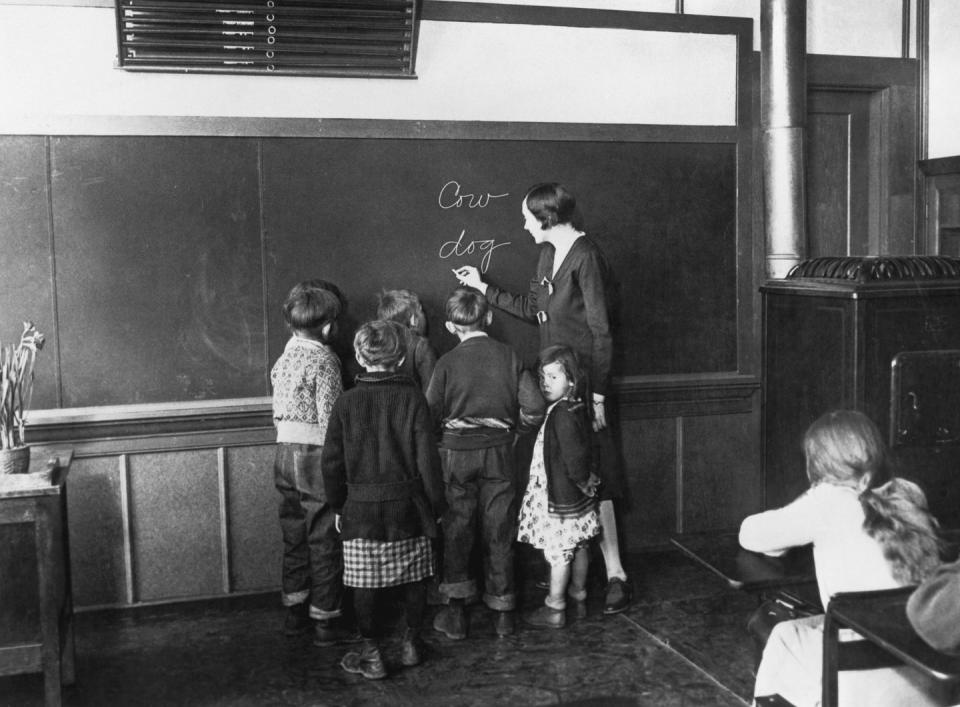
Contributions of Schools and Universities to the War Effort
Educational institutions made significant contributions to the war effort. Many schools and universities began training personnel for work in the military industry. Students formed unions to collect rubber and scrap metal, which were sent for recycling and used to produce essential wartime materials.
Female students organized Red Cross sewing rooms, making items needed for hospitals.
Approximately 40,000 male students contributed to the production of large combat aircraft used in reconnaissance training flights. Younger students wrote letters of support to soldiers and created handmade gifts.
By 1945, Alberta’s universities and schools had contributed over $12,000,000 to the war effort.